

What Brand Leadership Positioning Really Means (And Why It Matters) Brand leadership positioning is the strategic process of deliberately defining how your brand occupies a distinct, valuable place in your customer’s mind — and it starts at the top of your organization, not inside a marketing plan. Here’s a quick breakdown of what it means and why it matters: Most small business owners think of brand positioning as a tagline, a logo, or a color palette. It’s none of those things. Positioning is the answer to a harder question: Why should someone choose you over every other option available to them? When that answer is vague — or left up to whoever handles your social media that week — your brand becomes easy to overlook and easy to replace. Customers can’t connect with something they can’t clearly understand. The good news? You don’t need a Fortune 500 budget to get this right. You just need clarity, intention, and a willingness to make some real strategic choices about who you are and who you serve. I’m Ashley Stone, founder of Kickin’ It Media Group, and I’ve spent my career helping small businesses in the Keller/Fort Worth area build brands that are clear, consistent, and compelling — which is exactly what brand leadership positioning is all about. If you’ve ever felt like your business isn’t being taken seriously online or struggled to explain what makes you different, this guide was written for you. Why Brand Positioning is a Strategic Leadership Decision Many business owners treat brand positioning as a creative exercise. They delegate it to a marketing manager, hire an agency to write a catchy slogan, or assume that a shiny new logo will solve their sales problems. This is a fundamental misunderstanding of how brands actually work. True brand positioning is a leadership responsibility. It requires active executive alignment because it is built on strategic trade-offs. You cannot position your brand to be everything to everyone. To stand for something specific in the minds of your customers, you must deliberately decide what your business will not pursue. When leadership fails to own this decision, the business suffers. Without a clear, single strategic filter from the top, your sales team will pitch one message, your product developers will build features for a different audience, and your marketing team will run campaigns that try to please everyone. This internal fragmentation quickly turns into external inconsistency, making your brand harder for customers to understand and easier for competitors to replace. If you want to build a brand that resonates deeply while remaining incredibly true to your core mission, you have to start with leadership clarity. We dive deep into how to balance authenticity with commercial appeal in our guide on How to Build a Brand That Feels Like You and Still Sells. The Three Pillars of Brand Advantage Brands that successfully establish leadership in their markets do so by securing three distinct advantages in the minds of their customers: Aligning Culture and Execution with Brand Essence To sustain these advantages, your brand positioning must be anchored in something real: your brand essence, your brand personality, and your brand archetype. These elements act as the internal blueprint for your corporate culture. Your brand essence is the core soul of your business. It is the single, unchanging idea that drives everything you do. When your team understands this essence, they don’t need a massive rulebook to make decisions; they simply ask themselves if a decision aligns with who the brand is. This alignment between internal culture and external execution is what separates iconic brands from flash-in-the-pan marketing campaigns. For a deeper academic and strategic look at how these elements form the foundation of sustainable business models, you can read more about [PDF] BRAND POSITIONING: STRATEGIC APPROACHES for … – IARJSET . Common Pitfalls in Brand Leadership Positioning Even the most well-meaning leadership teams fall into predictable traps when trying to position their brands. The most damaging mistake is the “split-discipline” model. This happens when an organization treats brand positioning (how the company is perceived as a whole) and product positioning (how individual products are sold) as two entirely separate initiatives managed by different departments. A customer’s mind does not have separate compartments for your corporate brand and your product features. A mind holds exactly one position per brand. When you try to feed customers two different stories, they simply tune out. This misalignment has led to catastrophic, multi-billion-dollar brand equity losses for some of the world’s most famous companies. Think of historical pricing missteps, confusing logo redesigns, or legacy brands trying to target a completely different demographic overnight without respecting their accumulated position. When leadership treats positioning as a flexible, temporary marketing campaign rather than a protected asset, they violate the single filter their customers use to evaluate them. To understand how high-stakes these positioning violations can be, read the brilliant analysis of brand refusals and market reactions in The Prancing Horse | Platonic — Blog of Paul Syng . The Danger of Treating Positioning as a Marketing Deliverable When positioning is treated as a scheduled marketing deliverable — a document to be checked off, filed away, and refreshed every year — it loses all its power. True positioning is defined by operational refusals. It is proven by what your company refuses to do. These are not marketing decisions; they are operational sacrifices made at the executive level. If your positioning statement says you stand for one thing, but your operations division makes decisions that contradict it, your marketing copy is nothing more than expensive noise. Using Perceptual Maps and Research for Differentiation To find an authentic, defensible position, you cannot rely on gut feeling alone. You must ground your decisions in objective customer research, identifying the actual choice drivers in your market and mapping them against the competitive frame. A common debate among business owners is whether to build their brand positioning around their unique differentiators or simply double down on what they are already good at. The truth is, you must do both, but they serve different purposes. Strategy Type Focus

Keller Small Business Marketing 101: Local Growth Strategies
Why Keller Small Business Marketing Is Your Most Powerful Growth Tool Keller small business marketing is the process of getting your local business seen, trusted, and chosen by customers in the Keller, TX area — using a mix of digital tools, community presence, and a clear strategy. Quick answer for Keller business owners: Keller is a genuinely special place to run a business. The city combines small-town warmth with a growing, active community — and customers here want to support local. But wanting to support local and actually finding you are two different things. Here’s the hard truth: 74% of small businesses have no marketing plan at all. That means most businesses are spending time and money without a clear direction — hoping something sticks. As marketing strategist John Jantsch put it, “As a small business owner, you are really in the business of marketing.” Without a plan, you’re not just missing customers. You’re leaving growth to chance. I’m Ashley Stone, founder of Kickin’ It Media Group — a Keller-based digital marketing and content agency built specifically to help small businesses like yours grow through branding, social media, local SEO, and content strategy. My background in beauty, entrepreneurship, and community media gives me a ground-level understanding of what Keller small business marketing actually takes to work. Let’s break it all down so you can start moving in the right direction. Launching a Business in Keller: Permits, Inspections, and Local Resources Before you can market a business, you have to get it up and running legally. Establishing a physical or virtual storefront in Keller, Texas, requires navigating local municipal processes. Fortunately, the City of Keller is highly supportive of new enterprises and works actively to attract quality commercial developments. The very first step for any prospective business owner should be consulting the official New Business Guide | City of Keller, TX . The City of Keller Economic Development department offers direct consultations to walk you through the entire establishment process. This personalized support helps you understand what permits, building inspections, and zoning requirements apply to your specific location before you sign a lease or invest capital. If you are setting up shop in neighboring areas within the DFW metroplex, such as Trophy Club, you will want to refer to resources like Opening a Business | Trophy Club, TX to ensure compliance with their specific local ordinances and commercial standards. For a smooth launch in the Keller area, make sure to follow these essential steps: Keller Small Business Marketing: Developing a Strategic Plan Once your legal foundation is secure, it is time to address the marketing gap. As we mentioned, 74% of small businesses operate without a formal marketing plan. Many owners rely on a “scatter-gun” approach—posting randomly on social media or running sporadic ads—which quickly drains budgets without producing measurable results. A successful Keller small business marketing strategy requires a structured, written plan that outlines your target markets, brand positioning, and marketing mix. To build a brand that stands out in the DFW area, you must first understand how to present your business. We recommend reading our guide on How to Build a Brand That Feels Like You and Still Sells to learn how to align your personal values with what your local audience actually wants to buy. When developing your strategic plan, focus on these five core pillars: If you are working with a tight budget, don’t worry. You can still look highly professional without spending a fortune. Check out our DIY Brand Tips That Don’t Look DIY to elevate your visual identity on a budget. Financial Considerations in Keller Small Business Marketing A creative marketing strategy is only as good as the math behind it. Every marketing plan must include clear financial projections, specifically a breakeven analysis, a sales forecast, and an expense forecast. To understand how this works, let’s look at a restaurant example. Imagine opening a boutique, high-end Italian eatery in Keller. You know that the global pasta market reached $8 billion in 2010 and has continued to grow as patrons demand sophisticated food quality and healthier options. To build an accurate financial model for your local Keller restaurant, you must segment your target market and project their buying behaviors: Target Market Segment Estimated Local Segment Size Projected Annual Growth Rate Key Purchasing Behavior Single Professionals 15,000 8% Seek quick, high-quality takeout and weeknight dining Suburban Families 22,000 9% Value kid-friendly seating, weekend dining, and catering Takeout & Delivery Users 9,000 10% Prioritize mobile ordering speed and packaging quality Using this market segmentation, you can build your sales forecast by estimating how many meals you will sell to each segment monthly. Next, run a breakeven analysis. Calculate your fixed costs (such as commercial rent in Keller, utility bills, and basic payroll) and your variable costs (such as ingredients and packaging). Your breakeven point will tell you exactly how many units or service hours you must sell each month to cover your costs. Your marketing expense forecast should then be set at a level that comfortably drives enough customer traffic to exceed this breakeven threshold. Evaluating and Controlling Your Keller Small Business Marketing Efforts The digital landscape of July 2026 changes rapidly. What worked last year might not work today. Therefore, your marketing plan must include clear evaluation and control mechanisms. Marketing control is the process of measuring the performance of your campaigns against your goals and making real-time adjustments. Digital Marketing and Web Design Strategies for Local Reach To win local customers in Keller, Southlake, Trophy Club, and Fort Worth, your business must have a strong online presence. Your website is the absolute heart of your marketing strategy—it acts as your 24/7 sales representative. Many local businesses lose valuable leads because their website’s homepage is too vague or slow. When a local customer lands on your site, they should know within three seconds exactly what you do, where you do it, and how to contact you. We specialize in building high-performing digital strategies. Our team at Kickin’ It Media Group provides comprehensive Digital Marketing services designed to turn online searches into real-world phone calls. If you are wondering whether your current site is pulling its weight, read
The Ultimate Cheat Sheet of Content Ideas for TikTok Videos
Why Finding the Right Content Ideas for TikTok Can Make or Break Your Growth If you’ve been searching for content ideas TikTok creators and small businesses are actually using to grow, here’s a quick-reference list to get you started right away: Top TikTok Content Ideas (2026) With over 1 billion monthly active users and 34 million videos posted every single day, TikTok is loud. Standing out isn’t just about showing up — it’s about showing up with the right content, consistently. The problem most small business owners run into isn’t a lack of talent or effort. It’s not knowing what to post or how to keep ideas flowing week after week without burning out. And the stakes are real. 55% of TikTok users have made an impulse purchase after discovering a product on the platform. The hashtag #TikTokMadeMeBuyIt has billions of views. Your next customer is already scrolling — they just haven’t found you yet. I’m Ashley Stone, founder of Kickin’ It Media Group, a digital marketing and content agency based in Keller, Texas, where I help small businesses show up online with confidence through social media strategy, video, and branding — including developing content ideas for TikTok that actually reflect who you are and what you sell. In this cheat sheet, I’m breaking down the exact formats, strategies, and tools that work right now so you can stop guessing and start posting. The Best Content Ideas TikTok Creators Use to Go Viral When you look at the videos dominating your For You Page (FYP), you’ll notice they rarely feel like traditional commercials. The secret to going viral on TikTok lies in using native, highly interactive formats that blend entertainment with authenticity. By leveraging proven structures, you signal to the algorithm that your content is highly engaging, which helps push it out to a wider audience. If you want a deep dive into how these formats function in the wild, check out TikTok Content Ideas: Real Examples and Where to Get Them for real-world inspiration. Here are the heavy-hitting formats we recommend to our DFW-area clients to build massive organic reach: To understand how to adapt these trends without losing your brand’s unique identity, read more about formatting in TikTok Content Ideas: Create Viral Videos. Educational Tutorials: The Content Ideas TikTok Users Save Most If views represent temporary attention, saves and shares represent long-term authority. The TikTok algorithm heavily prioritizes “saves” because they indicate that your video provided real, actionable value. This is why educational content is a goldmine for growth. To build a library of high-performing tutorials, try these three content angles: At Kickin’ It Media Group, we always tell our clients that your educational videos don’t need to look like Hollywood films, but they do need to look clean and professional. For practical advice on elevating your visual quality, check out our guide on DIY Brand Tips That Don’t Look DIY. Behind-the-Scenes: Authentic Content Ideas TikTok Audiences Trust Modern consumers can spot a polished sales pitch from a mile away, and they usually swipe right past it. TikTok users crave raw, humanized content. Behind-the-scenes (BTS) videos pull back the curtain and show the real people behind the logo. Try filming these simple BTS concepts next time you have your phone out: Building an authentic brand on TikTok is all about balancing who you are with what you sell. If you want to master this balance, read our advice on How to Build a Brand That Feels Like You and Still Sells. Furthermore, if you are looking to train your team or streamline how you showcase your internal operations, you’ll find that 5 Reasons Business Training Videos Are a Game Changer can help align your brand’s voice across all video assets. How to Consistently Generate Fresh Video Concepts Without Burnout The biggest hurdle to TikTok success isn’t filming; it’s the creative exhaustion of constantly asking, “What should I post today?” To survive and thrive in July 2026, you need a systematic approach to brainstorming rather than relying on random bursts of inspiration. Here are the best tools and methods to keep your content calendar full: If you are a local business owner looking for a reliable, repeatable framework of baseline ideas to keep your social channels active, we’ve mapped out a simple guide featuring What Should I Post Today? 7 Go-To Content Ideas for Local Businesses to make sure you never stare at a blank screen again. Structuring and Optimizing Your 30-Day TikTok Content Plan Consistency is what trains the TikTok algorithm to understand who your target audience is. If you post sporadically, the algorithm struggles to categorize your account. A 30-day content challenge is one of the fastest ways to break through a growth plateau and build a highly engaged following. To execute a 30-day plan successfully without losing your mind, we highly recommend batch filming. Instead of setting up your lighting and camera every day, block out one afternoon a week to shoot 5 to 7 videos at once. When planning your 30 days, aim for a balanced mix of trend-based and evergreen content: Content Type Purpose Algorithmic Benefit Best Practices Trend-Based Capitalizes on cultural moments, viral sounds, and challenges Generates rapid spikes in views and discoverability Jump on trends within 3-5 days; keep it natural to your niche Evergreen Provides timeless educational value, tutorials, and brand stories Drives long-term search traffic, saves, and consistent profile visits Optimize with clear on-screen text and search-friendly captions To find a massive list of pre-vetted prompts to fill out your 30-day calendar, explore 100 TikTok Video Ideas for 2026 (FYP-Ready). The Anatomy of a High-Performing Video No matter how great your content ideas for TikTok are, they won’t perform well without proper optimization. In 2026, the algorithm places massive weight on re-watch rate and watch time. Here is how to structure your video to maximize these signals: If you want to achieve professional results but aren’t sure where to start with your gear, read our guide on how to Achieve Studio-Quality Results with Simplified Video Setup. If you prefer to hand off the technical heavy lifting entirely so you can focus on running your business, you can Get
DIY Brand Tips That Don’t Look DIY
Ever feel like your brand looks a little… homemade? We get it. You’re out here doing everything yourself. Running a business, answering emails, and maybe even designing your own logo at midnight with a free Canva template. But deep down, you want your brand to look sharp, pro, and trustworthy — not like you cobbled it together in a rush. Good news? You can build a polished, professional brand without hiring a big agency or breaking the bank. You just need the right strategy, a little creativity, and a few smart shortcuts. In this blog, we’re breaking down DIY brand tips that don’t look DIY. These are the same tools, techniques, and mindsets we use with our own clients at Kickin’ It Media Group. Whether you’re launching your brand or leveling it up, these ideas will help you show up strong. 1. Know Who You Are (And Who You’re Talking To) Before you create a logo or pick a color, take a step back. Ask yourself: This is where real branding starts. Not with colors or logos. But with purpose. Personal branding tips 101: People connect with people. So even if you’re a business, don’t be afraid to be human. Share your story. Your values. Your mission. That’s what sticks. If you’re a dog groomer, maybe you care about calming anxious pets. If you’re a handmade soap maker, maybe you started because your kid had allergies. These stories make your brand real. Bonus Tip: Create a brand “voice” doc for yourself. It doesn’t have to be fancy. Just write down how you want to sound: warm? fun? expert? Then check your content against it. 2. Choose Brand Colors That Actually Work (And Stick to Them) This is one of the easiest start-up branding tips to get right. Yet most people skip it. Here’s the trick: Choose 2-3 colors that represent your brand. Then use them everywhere. Your logo. Your social posts. Your website. Your email banners. Your packaging. Avoid using random colors just because they look pretty. That confuses people. Branding tips for small businesses: Stick to a clean, consistent color palette and your brand will feel more professional right away. Even if you’re using Canva! Use tools like Coolors.co or Adobe Color to find palettes that work. Bonus Tip: Add 1 “accent” color for call-to-actions (like buttons or headlines). It helps guide the viewer’s eyes where you want them. 3. Pick Fonts with Personality (But Not Too Much) Fonts have a voice. They whisper things about your brand before anyone reads a single word. So let’s get intentional. Use 1-2 fonts max. One for headlines, and one for body text. Here’s a quick cheat sheet: Keep it simple. Avoid overused or goofy fonts like Comic Sans or Curlz MT (yes, really). And once you choose your fonts, use them everywhere. Website, IG posts, flyers, etc. 4. Take Better Photos Without a Fancy Camera Yes, professional photos make a big difference. But while you save up for that brand shoot, you can still create visuals that feel high-end. Here are a few photo hacks: Your phone is enough. Just be intentional. Personal branding tips: People love seeing you. Show your face. Behind-the-scenes shots. Your workspace. It builds trust fast. 5. Don’t Just Post. Tell a Story. Ever scroll past a perfect photo that says, “New post up!” with no caption? Yeah, don’t be that brand. Start-up branding tips that actually work? Storytelling. Every post, email, or video should answer this: Why should they care? Talk about what led you to launch. Share the struggles behind the scenes. Celebrate small wins. Be honest, but hopeful. People remember how you make them feel. 6. Create Templates (So You Stay Consistent) Canva is your best friend here. Create 5-7 templates you can reuse over and over: Why it works: It saves time and builds brand recognition. Branding tips: Make sure your templates use your fonts, colors, and logo. Consistency is what makes a DIY brand feel professional. 7. Ditch the Cheap-Looking Logo We’re going to say it: If your logo was made in 3 minutes with no thought, it probably shows. But that doesn’t mean you need to hire a $5K designer. Use tools like Looka, LogoMakr, or even Canva Pro to create something clean and simple. Stick with something minimal, readable, and scalable (aka: looks good big and small). Avoid trends. Go for timeless. Bonus Tip: Your brand isn’t just your logo. So don’t obsess over it. It’s just one piece of the puzzle. 8. Be Consistent Everywhere You Show Up This might be the most powerful branding tip for small businesses: Make your online presence match your real-life vibe. If your IG is pink and friendly but your website is cold and cluttered, that creates confusion. Same if your emails are stiff but your TikToks are silly. Your brand should feel the same everywhere. That’s what makes people trust you. 9. Stay True to You (Even When You’re Inspired By Others) It’s easy to fall into the comparison trap. You see someone else’s polished brand and think, “I could never…” But here’s the truth: People connect to realness more than perfection. Use inspiration as fuel, not a measuring stick. Your story matters. Your voice matters. No one else can be you. If you’re feeling stuck, come back to this: Who am I here to help? How can I make their day better? That’s the brand. 10. Know When to DIY — and When to Call In Help There comes a point when doing it all yourself becomes a burden. You might need help when: That’s where we come in. At Kickin’ It Media Group, we help small businesses show up online with pro-level visuals, content strategy, and creative support. We’re local, we’re approachable, and we’re obsessed with helping brands like yours shine. So keep doing your thing. But don’t be afraid to tag us in when you’re ready for the next level. Final Thoughts DIY doesn’t have to mean messy. With the right tools and mindset, you can build a beautiful brand that grows with you. Let these branding tips be your guide as you keep showing up, learning, and leveling up. Your dream
Not Just Pretty Your Website Needs to Work for You
Hey, quick question—is your website just sitting there, looking good… but not really doing much else? You’re not alone. A lot of small business owners pour time and money into building a beautiful site, only to find it doesn’t bring in leads, calls, or customers. It might look nice, but if it isn’t doing the heavy lifting for your business, it’s not pulling its weight. Let’s fix that. This isn’t about fancy tech talk. It’s about making sure your website works as hard as you do. So What Should Your Website Be Doing? A good website is more than just a digital brochure. It’s your 24/7 employee. It should greet people, answer questions, build trust, and move folks toward booking, buying, or getting in touch. Here are a few things it should definitely be doing: If your site isn’t doing those things, it doesn’t matter how cool the colors or how sharp the photos are. It’s not doing its job. Pretty vs. Purpose: Why the Difference Matters You can hire a designer to make your site look gorgeous. But beauty without brains won’t pay the bills. Let’s say a customer clicks on your homepage. If they don’t know what you do, how you help, and what they should do next—you’ve lost them. Your website should be built around strategy. That means: In other words, a website for marketing, not just for showing off. What Is Web Marketing and Why Does It Matter? Let’s pause here and answer a question we hear a lot: “What is web marketing**?” In plain speak, it means using your website to help market your business. That includes getting found online, connecting with your audience, and guiding them toward a sale or service. Web marketing isn’t just ads or SEO. It’s about: If your site isn’t doing those things, you’re missing out. Real Talk: Why Some Websites Just Don’t Work We’ve worked with a lot of local businesses across Texas, and here’s what we see all the time: Want to know how I can market my website better? Start by making sure it doesn’t suffer from the list above. Website Content That Works: It’s All About the People At Kickin’ It Media, we believe in showing the real stuff. That means: We don’t use jargon. We write like we talk. And it works. Your website should sound like you. Friendly. Local. Down-to-earth. Not like a brochure from a big box brand. When people land on your site, they should feel like they’re meeting you. Not a stranger. A Quick Checklist: Is Your Website Working for You? Grab a coffee and answer these real quick: If you said “no” to more than one of these, your website might be more “pretty” than practical. SEO Matters, But It Shouldn’t Overwhelm You We get it—SEO can feel like alphabet soup. But you don’t need to be an expert to rank better. You just need: That’s where we come in. We help local businesses across Texas show up online without sounding like robots. But Wait—Will Websites Become Obsolete? We hear this one a lot, too: “Will websites become obsolete?“ Here’s the honest answer: Nope. Not anytime soon. Even with all the TikToks and Instagram Reels, people still Google. They still check out your website before buying. Social media is great, but your site is where people land when they’re serious. It’s your home base. So What Should You Do Next? Here’s what we suggest: If the answer isn’t a strong “yes,” let’s talk. At Kickin’ It Media, we create websites that don’t just look good—they work. We write the words, shoot the photos, build the pages, and make it all feel like you. Because your website should do more than sit pretty. It should show up, speak up, and step up for your business. Need help bringing your website to life? Let’s chat. We’re here for the Texas small biz crew—always. Schedule a consultation today and let’s build a site that works as hard as you do. Our Past Projects

What Should I Post Today? 7 Go-To Content Ideas for Local Businesses
Ever stare at your phone, wondering, “What should I post today?” You’re not alone. Running a small business is hard enough. Now you also have to think about creating social media content on top of everything else? It’s overwhelming. Some days, it feels like you’ve got nothing to say. Or maybe you feel like you’ve already said it all. But here’s the thing: You don’t have to be a professional marketer to come up with great content ideas for small businesses. You just need a few go-to ideas that actually work. This blog is packed with simple, smart content ideas for small businesses that will help you stay consistent, build trust with your audience, and show people why your business matters. No fluff, no fancy terms — just real stuff that works. 1. Behind-the-Scenes: Show What Happens in Your World People love getting a peek into the real side of your business. Show them what a normal day looks like. Maybe it’s your team prepping for a job, making a product, or setting up your shop. You can post: This kind of post feels honest and builds connection. People trust businesses that feel human. That’s why this type of content works so well. Pain point: You feel like your day isn’t interesting enough.Solution: Your everyday life is interesting to someone who doesn’t live it. Just show what’s real. 2. Answer a Common Question Every business gets asked the same few questions over and over. Instead of answering them one at a time, turn your answers into content. Try posts like: These posts show you care and give helpful info — and they’re super easy to create. Pain point: You’re tired of repeating yourself.Solution: Turn those repeat questions into ready-to-go social media content ideas for businesses. 3. Showcase a Happy Customer Got a customer who loves what you do? Share their story! You can post: These posts build trust. They also show future customers what kind of experience they can expect. Pain point: You don’t know what to post that builds trust.Solution: Let your happy customers do the talking for you. 4. Throwbacks and Milestones You’ve come a long way. Don’t be afraid to show that. Try these: People love seeing growth. They also love rooting for a small business that’s been putting in the work. Pain point: You feel like you’ve posted everything already.Solution: Go back in time. There’s gold in your story. 5. Teach Something Quick and Helpful Share a tip that makes your audience’s life easier. It doesn’t have to be complicated. The goal is to give value. Here are a few examples: This shows your expertise without being pushy. It helps build respect and loyalty. Pain point: You’re not sure how to create content for small business that people care about. Solution: Teach a quick win — it’s helpful and positions you as the expert. 6. Show Off Your People The folks who work with you are key to your success. Show the faces behind the brand. Here are some fun ideas: When people see the real folks behind a business, they feel more connected to it. Pain point: Your brand feels too “business-y.”Solution: Human faces make a brand feel warm and friendly. 7. Let Your Audience Join the Conversation People love giving their opinion. So ask them! Try this: Interactive content gets more engagement and makes people feel like part of the process. Pain point: Your posts don’t get many likes or comments.Solution: Ask people to join in. Engagement starts with a question. Bonus Tips to Make Posting Easier Batch Your Content Pick one day a week to plan and create a few posts at once. It saves time and helps you stay consistent. Use Templates There’s no shame in using Canva or similar tools to keep your posts looking clean and on-brand. Keep in mind, this is usually for branding purposes only. It sometimes gets the least reach so, use these sparingly. It is a great way to get information out and stay on brand when someone is simply scrolling through your page. Reuse Your Wins Got a post that did well a few months ago? Tweak it and post it again. New people are always finding you. Keep It Simple You don’t need to post every single day. Start with 2–3 posts a week. Quality matters more than quantity intially. When you are ready to take your game to new heights, post daily. Final Thoughts: You Got This Posting content doesn’t have to feel like pulling teeth. When you’re stuck, go back to these 7 ideas. Keep it real, keep it helpful, and keep it human. These content ideas for small business are easy to start, fun to post, and proven to help you grow. You already do great work. Now it’s time to show it off.
How to Build a Brand That Feels Like You – And Still Sells
Feel like your business doesn’t reflect the real you? Like you’re forcing a vibe that just doesn’t sit right? You’ve got ideas. You’ve got style. But when it comes to your brand, things feel… off.You’re not alone. So many small businesses owned by women and creative founders hit the same wall. You want something real. Something fun. Something that sells—but still feels like you. Let’s fix that. What Makes a Brand Feel Like You? Your brand isn’t just a logo.It’s not just colors or fonts or your Instagram grid. It’s how people feel when they interact with your stuff.It’s your voice. Your style. Your vibe. And most of all—It’s how well your business reflects your real personality. That’s what makes people stop scrolling and say, “This feels right.” Step One: Start with You, Not Just Your Product Forget the perfect pitch for a sec. Before you sell anything, think about why you started.Was it a passion? A side hustle that grew? A creative outlet? You’ll notice this most in small businesses owned by women. You bring heart to the hustle—and that’s a strength. So ask: That’s your starting line. Keep It Simple — but Make It Stick You don’t need to do it all.Simple can still stand out. Think of your favorite small businesses online.Chances are, they don’t feel complicated.They feel clear. Pick 1–2 colors that match your vibe.Choose 1 font you love.Write like you talk. That’s how your brand starts feeling like a real person—not a robot. Show Your Face (Even If You’re Camera-Shy) People connect with people. Even if you’re nervous to show up on video or post a selfie, it matters.It builds trust.It creates a sense of resemblance. And trust sells. Lots of folks looking for small business ideas feel stuck on this part.They want to stay behind the scenes.But showing up—your way—can make all the difference. You don’t have to dance.Just be real. Speak Like You, Not Like a Brand Book You don’t need big words.You don’t need “perfect” grammar.You need to sound like you. When you write captions, emails, or website content, pretend you’re texting a friend. This works especially well for small businesses online. People scroll fast.Your words have to feel like a real conversation. So skip the fluff.Talk like a human. Don’t Copy. Create Your Own Lane. It’s tempting to copy what’s trending.But trends fade fast. Instead, lean into your own thing.Your weird. Your funny. Your heart. Some of the best small business ideas came from someone doing it differently—not better, just different. That’s where your magic is. 🛍 Make Your Brand Easy to Buy From Okay, let’s get to sales. Yes, you want your brand to feel good. But also—you want it to sell.So make it easy for people to work with you or shop your stuff. That means: Especially for small businesses online, your site and socials should guide people straight to the “yes.” How to Make Sure Your Brand Stands Out in a Crowded Market One of the hardest things about building a brand is getting noticed—especially when you’re competing with so many others. But don’t worry! Your brand can stand out, even in a crowded market. Here’s how: Build a Strong USP (Unique Selling Proposition) Your small business needs something that sets it apart from the rest. What makes you different from your competitors? That’s where your USP comes in. The business USP makes you unique and lets you win over others. For example, you might have a unique process, a special product, or a personal story that no one else has. Whatever it is, let it shine through in everything you do. From your website to your social media, your USP should be clear and consistent. Show Social Proof Another way to get noticed is by showing off what others say about you. Social proof, like reviews, testimonials, and client shout-outs, builds trust and credibility. If you’re a small business owned by women, your community and customers are your biggest advocates. Let them speak for you! Encourage happy customers to leave reviews, share their experiences, and tag you on social media. This helps new customers trust you and decide to buy from you. Keep Growing and Evolving Your brand should grow with you. It’s okay if it doesn’t look perfect right away. Keep refining it as you learn more about your customers and your business. One great way to grow your brand is by staying up-to-date with trends in your industry. See what’s working for other small businesses online, and figure out how you can incorporate similar strategies in your own way. But remember: Don’t copy. Always make it your version. Final Word: Feel First, Then Sell If your brand feels like you, people will feel that, too.And that connection? That’s what turns followers into fans—and fans into buyers. So build slow. Build smart.But always build real. You’ve got this.

Achieve Studio-Quality Results with Simplified Video Setup
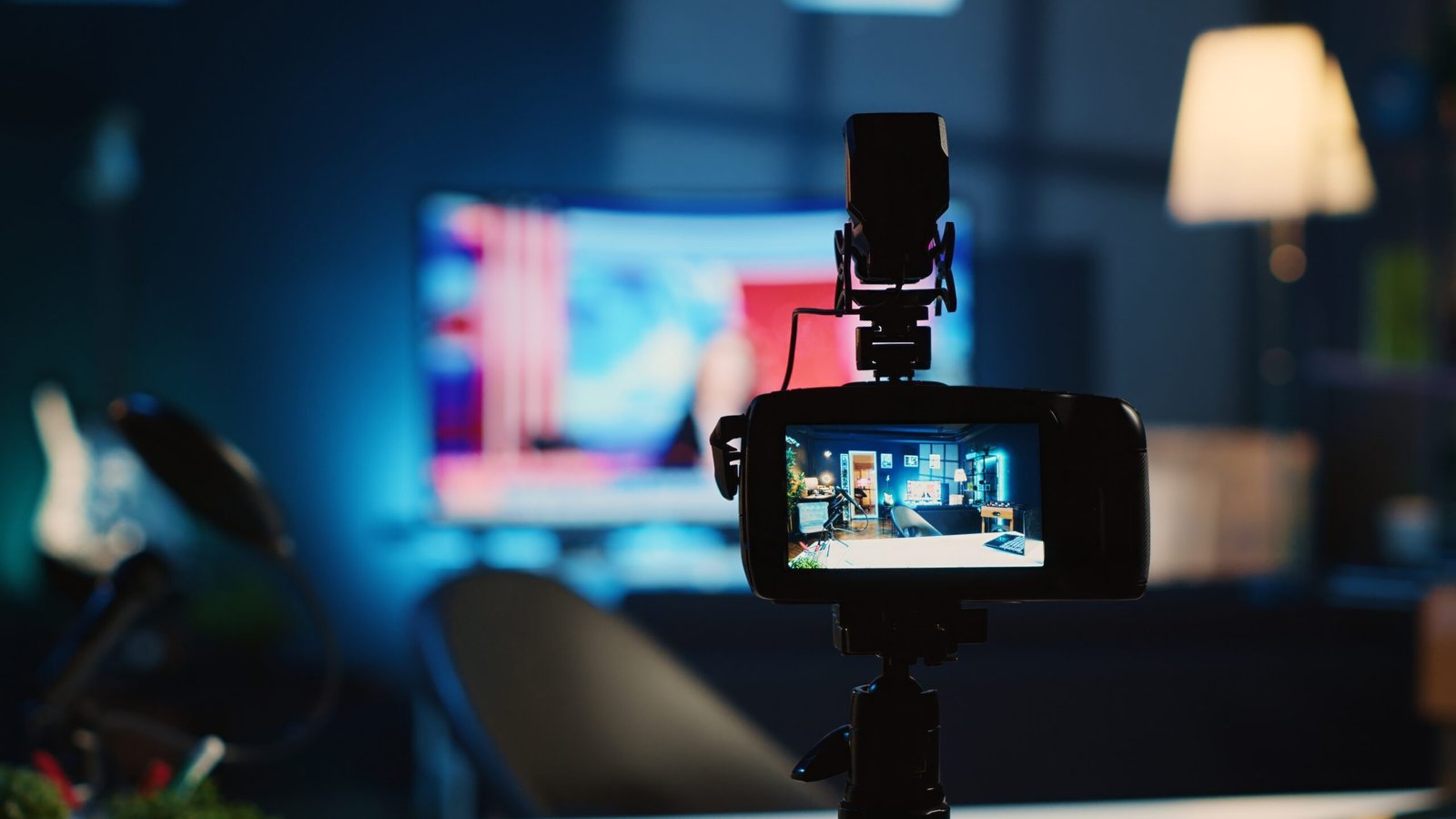
You do not need to spend all your money on high-end gear and complicated setups to produce high-quality videos. With a Simplified Video Setup, you can achieve impressive results without the hefty price tag for capturing moments for social media, or even for promoting an event and creating content for your business. Here’s how you can easily create professional-looking videos on a budget. How to Make High-Quality Videos Choosing the Right Camera You don’t need the latest, most expensive camera to get great video results. Modern smartphones already offer fantastic video quality. If you prefer a dedicated camera, entry-level DSLR or mirrorless cameras are affordable and perfect for beginners. Lighting Your Shots Proper lighting is one of the factors that make your video look professional. Natural light is always a good option, but if you’re indoors, then ring lights or LED panels will be the most budget-friendly and wonderful lighting options. Place your light source above and to the right or left of your camera for the best effect. Improving Audio Quality Good audio is just as important as good video. Using an external microphone—like a lapel (lav) mic or shotgun mic—can have a significant impact on sound quality. Even budget-friendly USB microphones are great for indoor recordings. Keep Your Footage Steady Shaky footage can make your videos hard to watch. A tripod or even a handheld stabilizer (gimbal) helps keep your shots smooth and steady, giving your video a slick, professional look. Simple Backgrounds Keep your background clean and free from distractions. A simple, solid-colored wall or an uncomplicated backdrop will keep the focus on you or your subject, rather than what’s behind you. Easy Video Editing Really bring a video to life through easy video editing. If you can even just make something that stands out, editing’s where you’d be. That is easily one of the least complicated, mostly free, free or at most very affordable with iMovie, Adobe Premiere Rush, etcetera, while still using fairly simple edits – trim, apply effects, alter color. Now your video stands out. Improve Your Marketing Through Simplified Video Setups Content Marketing for Social Media With a simplified video setup, social media content creation is fast and easy. No matter if it’s a short promo, product demo, or behind-the-scenes footage, keeping video quality consistent builds trust with your audience and keeps them interested. Event Promotion Videos Capture special moments from your events with ease. Whether you’re filming speeches, crowd reactions, or the overall vibe of your event, a simplified setup allows you to create impactful videos quickly. videography and photography services Business Video Content For small businesses, a simple video setup can make creating ads, tutorials, or product demos a breeze. Quality video helps you showcase your offerings and engage customers—without the need for an expensive production team. Practical Tips for Consistent Results Practice Regularly The more you use your gear, the better you’ll get. Experiment with different camera angles, lighting setups, and editing techniques to find what works best for you. Stay Organized Keep your equipment organized to save time and stress during shoots. Use storage solutions to keep your cables, batteries, and accessories tidy. Follow Trends Stay on top of video trends. This could include popular editing styles or platform-specific formats. It ensures that your content feels fresh and relevant. Engage with Your Audience Ask for feedback and encourage your viewers to interact with your content. Building a connection with your audience helps foster trust and loyalty. Common Mistakes to Avoid Neglecting Audio Poor audio quality can make even the best video seem unprofessional. Always check your microphone before recording and try to minimize background noise. Overcomplicating Your Setup Stick to the essentials. Focus on your content rather than getting bogged down by unnecessary equipment or settings. Skipping Post-Production Even tiny tweaks—such as removing awkward pauses or adjusting brightness—can make a huge difference in the final product. Simple Tools for Great Results Cameras: Your smartphone is a great tool, but the Canon EOS M50 is an affordable, dedicated option. Lighting: Ring lights and softbox kits give great results without breaking the bank. Audio: Brands like Rode and Blue offer affordable microphones that provide excellent sound. Editing Software: You can use free DaVinci Resolve, which is great for beginners, or paid Filmora if you’re looking for something more budget-friendly. The Perks of a Simple Video Setup A streamlined video production process makes it accessible to everyone—whether you’re a small business owner, event organizer, or simply someone who wants to share a personal message. With a simple setup, you can focus on creating content that connects with your audience, rather than stressing over complicated equipment or editing. Final Thoughts Producing professional-looking videos doesn’t require a complicated setup. With the right tools and techniques, you can create high-quality content that aligns with your goals, whether for Simplified Video Setup, Content Marketing for Social Media, or Event Promotion Videos. By focusing on simplicity and efficiency, you can concentrate on creativity and storytelling. This approach makes it easier for everyone, from small businesses to event organizers, to produce content that resonates with viewers. Whether you’re offering videography and photography services or creating content for personal use, simplicity leads to better, more engaging results. Lights, camera, action—take your content to the next level with ease! Let Kickin It Media help you craft stunning videos that captivate and engage your audience. Get started today and watch your creative vision come to life! FAQs 1. How do I stabilize my shots without a gimbal? Yeah, sure thing. A big difference you’ll see with something like this – it’s basically just a stabilizer without spending too much cash on it if you don’t have a gimbal. Just travel-friendly, a pretty lightweight and foldable one. 2. What makes for a good-looking professional background? Use a clean, clutter-free background to maintain focus on your subject. You can use neutral-colored walls or fabric for simple backdrops, ensuring a distraction-free setting. Avoid busy or messy environments and keep it polished. 3. What editing software should I use for beginners? For the
5 Reasons Business Training Videos Are a Game Changer
In today’s fast-moving world, keeping your team at the top of their game is more crucial than ever. One game-changing tool for achieving this is business training videos. These videos are not only easy to produce, but they also captivate employees’ attention and save companies valuable resources. Let’s get into how these videos are revolutionizing the way businesses train their teams. 1. Better Engagement and Retention Learning is so much simpler if done playfully. It is quite challenging on the part of employees to read lengthy manuals or thick slides during work hours. In contrast, training videos are more interactive, making use of visuals and narration to explain ideas or concepts. People remember information more accurately when they see it and hear it. For instance, a training video that demonstrates how to use Realtor social media solutions via examples will be learned easily and remembered. The more engaged the employees are, the better chances will be of them applying what they have learned. This leads to better performance and high job satisfaction. 2. Save Time and Money Traditional training is costly. You need to hire a trainer, a venue, and print materials. However, with training videos, none of that applies. Once you create a video, it can be used several times over with your employees, saving you money in the long term. Training videos are also a time-saver. Employees can watch them when it fits into their schedule, which doesn’t go against their usual other tasks. Affordable brand consulting saves small business owners money, letting them concentrate on marketing and service expansion. More importantly, small businesses can benefit with low-cost training without sacrificing quality. 3. Consistency Across the Board In-person training can lead to some inconsistencies. Different trainers might explain things differently, leaving gaps in understanding. With business training videos, you ensure every employee gets the same information, making training more reliable and streamlined. Consider a business offering lifestyle photography for brands. A video demonstrates setting up a perfect shot with the right lighting and editing techniques for team consistency. Consistent quality in work builds trust with clients who anticipate high-quality output consistently. 4. Flexibility and Accessibility Anytime, Anywhere Perhaps the best thing about business training videos is their accessibility. Employees can play training videos anywhere: home, office, or even while on the move. This means that everyone will be trained, no matter where they are. This is particularly useful for real estate teams. For instance, a video demonstrating how to create engaging content on social media can always be revisited. Whether it’s a new employee or someone refreshing the latest strategies, videos are easy and convenient. And each employee can go at their own pace, rewind or pause as needed. 5. Easy to Update Content Updates in fast-paced industries would be essential. Unlike the printed manual, business training videos can very quickly change to update new trends, tools, or best practices. For instance, a brand consulting firm may wish to add new branding strategies within its training. It can do this simply by updating its video series. In other words, a photography firm can update its video library by including new equipment or techniques. This way, training videos are a smart, long-term investment. How Training Videos Benefit Your Business While business training videos are great for employee development, they can also help support other areas of your business. It could actually be doing a job on teaching real estate agents how to use social media strategy to attract more clients through good online content. Similarly, offering brand consulting tips through training videos helps employees understand how to represent your business consistently and effectively. And for businesses focused on lifestyle photography, teaching employees how to capture high-quality images can improve marketing efforts and drive long-term success. How to Start Using Business Training Videos If you’re ready to introduce training videos into your business, here are a few simple steps: Select Relevant Topics: Begin with the areas where your team requires the most assistance, such as social media, branding, or customer service. Simplify it: Ensure that the language is clear and easy to understand by breaking complicated topics into small parts. Real-Life Examples: Engage your team with relatable scenarios while watching the videos. Track Progress: Use quizzes or discussions to ensure that your team does not forget what they learn. Starting small and gradually expanding, you can create a library of training videos that support your team’s growth. Final Thoughts Business training videos have become a game-changer for companies of all sizes. They’re not just practical—they’re engaging, affordable, and incredibly adaptable, making them a perfect fit for teams looking to grow their skills. Whether instructing on social media strategies, brand consulting techniques, or lifestyle photography tips, these videos align and inform all. Investing in video training isn’t just about skill-building; it’s about promoting growth and efficiency that leaves a lasting impact on your team and your business. Why not take the leap today and see how these tools can help you succeed? Level up your team’s skills with engaging training solutions from Kickin It Media—where creativity meets results! FAQs 1. What are business training videos? Business training videos are visual learning tools designed to train employees in various skills, processes, or industry-specific topics. They often include step-by-step instructions, examples, and demonstrations to make learning more engaging and effective. 2. Why are business training videos better than traditional training methods? Videos are more engaging and help employees retain information better compared to lengthy manuals or slides. They also save time and money, ensure consistency, and can be accessed anytime, making them more practical for modern workplaces. 3. How can business training videos save costs? Once created, training videos can be reused multiple times without additional expenses. They eliminate the need for trainers, venues, and printed materials, making them a cost-effective solution for businesses of all sizes. 4. Can training videos be customized for specific industries? Absolutely! Training videos can be personalized to meet the needs of any industry, whether it’s real estate, brand consulting, photography, or customer

Get 30% More Views with High-Quality Video Editing Services
Getting noticed in today’s digital world is hard to do. Whether you’re a business trying to push a product or an individual sharing a personal story, it has to stand out. One strong way to do that is through high-quality video content. But how do you actually make sure your videos are noticed? The answer is straightforward: Video Editing Services. How High-Quality Editing Increases Views It’s more than just a good idea or message for the content to be successful in videos. Presentation matters a lot. If you want people to stay on your video, then your video has to look attractive and be understandable. This is how video editing increases views: Integrating Social Media Consulting Services for Maximum Impact To really make the most of your video content, high-quality video editing merged with Social Media Consulting Services is savvy. Social media consultants can help guide you in the best way to promote your videos. A social media consultant can help with posting timing, caption optimization, and choosing engaging platforms for your content. By blending video editing with social media strategy advice, you can enhance your videos to attract the ideal audience efficiently. Using Visual Storytelling Techniques for Stronger Content Video editing isn’t merely about cutting footage and applying effects. It’s more than that, a story to be told. Techniques of Visual Storytelling are essential for holding the audience engaged through to the very end. Here’s the way editing can improve storytelling in your videos: Implementing these techniques in videos increases viewer engagement, leading to increased retention and views. Photography Services Complement Video Editing Video is powerful, but other visual content can also enhance your online presence. Photography services are important for enhancing videos. Quality photos serve as thumbnails for videos, blogs, or social media posts. Thumbnails are usually the first thing people see when they come across a video online, and a compelling thumbnail can significantly increase click-through rates. Additionally, photos can also be used in the video as cutaways or to emphasize important moments. A combination of stunning photos and professionally edited videos can create a powerful marketing strategy. It helps to ensure your content gets the attention it deserves. Video Editing Services and SEO: A Winning Combination One of the best ways to increase views for your videos is by making them search-friendly. Video SEO is vital for ranking videos higher in search engines, with editing playing a key role. Professional video editors optimize videos by using relevant keywords, meta tags, and descriptions for better discoverability. Optimizing your video improves visibility in search results, increasing views and engagement. Why Invest in Professional Video Editing Services? Perhaps you are asking why invest in Professional Video Editing Services instead of doing it yourself. Despite numerous self-editing tools available, they rarely achieve the precision needed for top-notch results. The professional editors possess a wide range of knowledge and experience that can catapult your video to the next level. Here’s the reason investing in professional editing is worth it: Tips for Choosing the Right Video Editing Services Not all editing houses are equal. You need to know how you are supposed to select the perfect service for your needs: Final Thoughts For anyone wanting to increase their video views up to 30%, video editing services are the next course of action. From looking visually appealing, enhancing video editing helps your message as well. Adding video editing with Social Media Consulting Services and Photography services with visual storytelling techniques increases its effectiveness, which translates into a larger audience as well as increased engagement. Professional video editing is a good way to make content that not only looks good but also delivers real results. Whether you are trying to promote a business, build a personal brand, or simply share your message, investing in top-tier video editing can make all the difference. Let your vision shine with Kickin It Media! Contact us today for top-notch Video Editing Services that captivate, engage, and deliver results. FAQs 1. Are Video Editing Services affordable for small businesses? Yes, many providers offer flexible packages to suit different budgets. Investing in these services can save time and increase the effectiveness of your marketing efforts, providing long-term value. 2. Can Video Editing Services include elements from Photography Services? Absolutely! Photography can complement video content by providing high-quality still images for thumbnails, cutaways, or promotional materials. Integrating both services creates cohesive and visually appealing content. 3. How do I choose the right Video Editing Services provider? Look for providers with a solid portfolio, positive reviews, and experience in your industry. Ask about their turnaround times, pricing, and ability to customize services to meet your needs. 4. Can Video Editing Services improve my video’s SEO? Yes, professional editors can optimize your videos by adding relevant keywords, titles, descriptions, and tags. This makes your content easier to find on platforms like YouTube or search engines, increasing its chances of being seen. 5. How do Video Editing Services integrate with Visual Storytelling Techniques? Editors use storytelling techniques like pacing, transitions, and emotional elements to craft a narrative that keeps viewers engaged. These techniques make your video more impactful and memorable.